 How to clean old coins
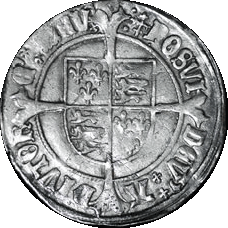
A common question amongst coin collectors, especially younger collectors is how to clean old coins. If you have been given, for example, an old Victorian penny you might be disappointed to see that it’s a rather dull dark brown as opposed to a new looking bright shiny copper colour and you could be tempted to want to shine it up so it looks like new in your coin collection.
How to clean old coins if they might be valuable
Well, the simple answer to how to clean old coins is that if the coin is remotely rare or remotely collectable then you shouldn’t clean it at all before checking with a dealer or an experienced collector first.
Coins develop a surface covering called patina which dulls the coin over time though it doesn’t necessarily mean that the detail on the coin isn’t still well defined or that the coin has become less desirable by collectors. It is caused by exposure to oxygen (or ‘oxidation’).
Coin collectors expect to see some patina on old coins and it actually adds to the appeal of good quality rare coins. Patination is quite a subtle thing and the danger is that to the untrained eye or the younger collector, patina is boring and hides the shininess. However, very old coins shouldn’t be “shiny” unless they are in mint condition and perfectly preserved, so there will usually be a balance that must be respected, otherwise you may do more harm than good if you decide to clean a coin that you shouldn’t have.
Find out more about how to find out the value of your coin here.
Ultrasonic coin cleaners
However, if you think it might be really old or important and you’re not confident you know how to clean old coins, you should get in touch with a local historical society or museum and ask their advice before you set upon it.
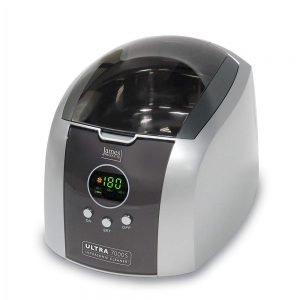
Another method used to clean encrusted coins is electrolysis or by using an ultrasonic coin cleaner whereby a current is passed over the coin to loosen any debris (and also the patina). The advantage of electrolysis is that it isn’t abrasive and it’s FAST!
There is less likelihood of any accidental damage though damage can still occur because on very old coins, it might be the patina that is holding the coin together! Take a look at this electronic ultrasonic coin cleaner here. These are now quite cheap and very effective and you can also use them to clean jewellery and other household objects
Can you clean coins with Tomato sauce or ketchup?
When a collectable rare coin is cleaned using chemicals then it will almost always lose value because collectors won’t want a coin that has been artificially brightened up. Therefore the first thing to do before cleaning anything is to check the value of the coin to make sure you’re not effectively destroying something of worth.
You can do this by looking at the books we mentioned previously or by searching through the for sale listings on the right of this page to see if you can locate your coin.
If you decide that you really do want to clean a coin and you don’t care about the fact that it will lose value then there are various acidic chemicals that you can soak it in which should bring it up in a lovely shine. Common chemicals that are good for cleaning coins are:
- Vinegar
- Cola (any type)
- Tomato ketchup
- Olive Oil
All will effectively burn off the top layer of patination and leave you with a shiny coin. For younger coin collectors in particular, shiney coins can be a fun way to get them interested, just don’t leave them in reach of both your prized collection and a bottle of tomato sauce or you could be in for a shock if they decode to “help” you out one day by carrying out a surprise coin clean!
Beware of removing valuable patina from coins
You should never use the above chemicals or methods on a remotely rare coin before you get advice from a coin dealer or expert collector and never ever be tempted to clean mint, uncirculated coins, or proof coins which are struck with a mirror like finish as you will almost certainly damage the finish.
We hope you’ve found this article useful and that you now know how to clean old coins (and just as importantly, when NOT to clean them!)
dear sirs I have a large collection of old coins in Afghanistan and can bring to the United Kingdom. it starts from 1800 to 1950s. and might be some old from USA, EUROPE and ASIA. kindly reply me if you want to buy.
Being a younger collector I am attracted to shiny coins. The methods given above are “destructive” in that you will lose silver. A trick my chemistry teacher dad taught me is doing a chemical exchange bath.
Put you silver, works for tea sets etc also, into a warm water bath with aluminium foil and soda crystals (normally sold in washing detergent isle). You can alter the pace of reaction by added hot water and if its isn’t working at all you need to add more soda crystals.
What is happening is that, because aluminium is extremely reactive, the foil “steals” sulfides and oxides from silver’s surface. The soda crystals just allow the atoms to move through the water. The silver will be restored to just silver and the majority of the black tarnish will magically appear on the foil.
The reason why you should always use this method first is that the original silver which was oxidied/sulphised is preserved and not removed (in fact it is transformed back to its original pre-tarnish state). Other methods basically take off the top layer, so you’re losing silver and obviously over time you will loose the detail of your coins.
Thanks Oli – good advice there!
We are looking for a buyer gold coins, queen elizabeth,alfonso 13
I recently dug up an old silver coin in London. I can’t identify the king but the obverse looks exactly the same as shown on your web site under the title ‘ how to clean old coins. I would appreciate your help
I have just found a napolining 111 emperor coin 1854
I have a 1938 half crown, a1950 sixpence. a 1948 two shilling piece. a 1968. and two 1988. 10 pence pieces. a 1938 silver sixpence. two threepence pieces one of which is 1942 and the other one I can’t see the date. a 1910 penny piece and a 1941 halfpenny piece. can you please help me with values and selling them please.
hi i have recently dug up a 1922 half-penny in a trench it is in alright condition although oxidised
i managed to clean it but not sure how much it is worth can anyone fill me in on that???
If you really want to perk up a bronze discoloured coin and are not concerned about value then place it in a small amount of Coca Cola. (Bare in mind Coca Cola has been known to disintegrate a steak within a couple of days apparently).